Thinking about turning your garage into a legal ADU in San Diego? Local requirements on permits and planning are strict, and each area of the county has its own rules. Getting your permits right from the start helps you avoid stop-work orders, cost overruns, and resale headaches down the road.
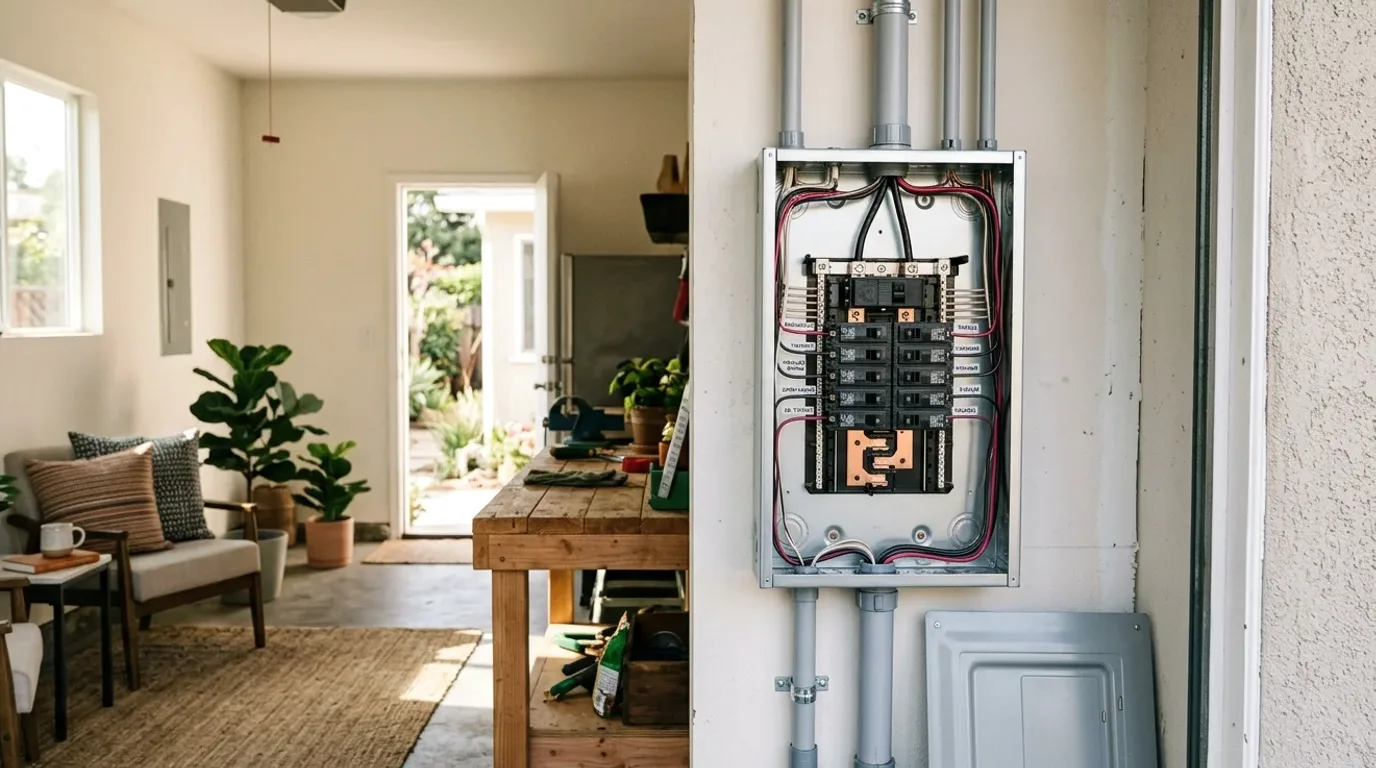
What permits do you need for a garage ADU in San Diego?
Any garage conversion to a legal ADU in San Diego—city or county—requires a building permit. This holds true whether the garage is attached or detached, and whether you plan a studio or a one-bedroom. The permit is what proves the space now meets residential code: fire, safety, structure, and habitability rules must all be satisfied.
City of San Diego:
The Development Services Department (DSD) handles all ADU permits inside San Diego city limits. The process isn’t just picking up a form. You’ll submit a full set of plans and documents, including architectural drawings, structural details, energy compliance, and site plans showing setbacks and access. If your garage is in the coastal overlay (think areas like Pacific Beach, La Jolla, or Point Loma), there are extra layers: you may need a Coastal Development Permit as well. For most conversions not expanding the space, the permit is still mandatory.
County of San Diego (unincorporated areas):
If your home isn’t in a city, you’ll go through the County’s Planning & Development Services. All conversions need a building permit. In areas not on public sewer, septic review is mandatory, and it often requires a separate application with the County’s Department of Environmental Health before the building permit can proceed. If you’re in a fire-prone or rural area, extra fire review steps may also apply.
Other cities and the coast:
Every incorporated city (like Chula Vista, Oceanside, El Cajon, or Carlsbad) manages its own permits. Most follow state ADU law but add their own checks and forms, and coastal cities often have strict historic and parking requirements. Always confirm with your local city’s building or planning division and don’t rely on what another city requires.
The upshot: no matter where you are in San Diego County, converting a garage to an ADU means a full building permit process. For the city, start on the official program page. For unincorporated areas, check the County’s ADU portal. For other cities, go straight to the city planning or building department’s ADU/garage conversion section.
How the process works: city and county steps
Turning a garage into an ADU is more than swapping a garage door for some windows. The city or county reviews every plan to make sure your conversion will be safe, legal, and a true living space.
Steps in San Diego city
-
Site Assessment:
Check zoning and overlay maps to see if your property is in a coastal or historical area. If your garage falls within the “Beach Impact” overlay and you’re outside a transit priority area, parking replacement may be required. The majority of neighborhoods, though, don’t require new parking even if the garage goes away. -
Design and Plans:
Prepare a full set of ADU conversion plans. This includes floor plans (existing and proposed), site plans, elevations, drainage, structural details, and sometimes landscaping. Most owners use a design pro familiar with garage conversion planning in San Diego to avoid city rejections. -
Permit Application:
Submit your plans through the city’s online permitting portal or in person. This triggers plan check—a detailed review by building, code, and fire staff. If your property is in the coastal overlay (San Diego’s coastal zone), a Coastal Development Permit may also be required. Some areas, like La Jolla Shores, have neighborhood-specific permits too. -
Corrections and Approvals:
The city is required by state law to act on a complete application within 60 days, either approving or providing a list of needed corrections. If your submittal is incomplete or missing info, the clock pauses until you update. -
Construction and Inspections:
Once approved, the permit is issued and work can start. All work must be performed (or contracted) by a licensed professional. Multiple city inspections are required—foundation, electrical, insulation, drywall, and final sign-off. Every converted ADU space must meet current building, health, and energy codes.
Steps in unincorporated San Diego County
-
Planning and Site Review:
Confirm if you’re in the unincorporated county (not inside any city boundary). If on septic, you’ll need Department of Environmental Health layout approval first. Well water properties also need site plan review showing well and septic details. -
Prepare Plans:
The County expects detailed architectural and site plans. Many homeowners use professional ADU design and permit services to avoid repeat corrections, especially in rural or hillside areas with unique staking or grading rules. -
Submit and Correct:
Submit your full packet—including any required septic or fire authority sign-offs. The County describes its process as taking several weeks, and incomplete or unclear submittals can drag things out. -
Build and Inspect:
Permitted work must be completed by or with oversight from a licensed contractor (check licenses at cslb.ca.gov). Inspections are scheduled at each major milestone. Final occupancy is not granted until all approvals are complete.
In both the city and county, if your garage conversion ADU is under 750 square feet, state law prevents agencies from charging “impact fees”—but plan check, permit, and school fees may still apply. Confirm total fees with your local agency.
Common mistakes and how to avoid delays
Even experienced homeowners can get tripped up during a garage ADU conversion. Certain patterns come up again and again on ADU permit applications in San Diego.
Starting work before you have a permit:
Unpermitted conversions are widespread, but they’re risky. If the city inspector sees work started without permits, you could face extra costs and delay, and you’ll be required to bring the space up to full code before final approval. Resale can also get jammed up if there’s a non-permitted ADU on the property.
Not checking local overlays or special rules:
San Diego city has multiple jurisdictional overlays—coastal, Beach Impact, historical. Just because a friend in another zip code didn’t have to replace garage parking doesn’t mean that applies to your property. The city keeps all their overlay maps and special requirements live on their ADU program page. For county projects, rural fire districts or special water districts may have final say on requirements.
Assuming any set of existing plans will work:
The city and county each publish checklists for what a permit-ready submittal includes, and missing items are a common reason for rejection. Even free or pre-approved plans from local agencies often require extra project-specific work before they’re accepted. Don’t rely on plans from other metros—San Diego’s rules on fire, structure, and parking are unique.
Overlooking utility and septic reviews:
If your property is on a private septic system, the County requires you to get a separate approval from Environmental Health before the building permit can move forward. Trying to shortcut this step almost always creates weeks of delay.
Not using a licensed contractor:
California law requires that any construction contract over $500 and any work involving multiple trades—including the full list you’ll touch in a garage-to-ADU conversion—be performed by or under a licensed general contractor. You can check a contractor’s license at cslb.ca.gov. This protects you, the work’s warranty, and keeps future resale clear. Deposits are capped by law: “THE DOWNPAYMENT MAY NOT EXCEED $1,000 OR 10 PERCENT OF THE CONTRACT PRICE, WHICHEVER IS LESS.”
Where to check current requirements and fees
Because codes and fees change regularly, always double-check requirements on official city or county sites before you begin any garage ADU project. Here’s where to start, and what to look for:
City of San Diego:
Visit the Accessory and Junior Accessory Dwelling Unit Program page. This site posts live updates to permitted size ranges, parking rules, overlays like the Beach Impact Area, and links to bulletins outlining required plans and documents. For projects in the coastal overlay, review the Coastal Development Permit section and call DSD for confirmation. Permit and plan fees are posted by the city, but the total can differ depending on project scope and size. For the latest timelines, check their “Current Permitting Process Timeline” link.
Unincorporated San Diego County:
Start with the County’s main ADU page, which lays out checklists, zoning basics, and step guides. If your home is not on public sewer, see the Department of Environmental Health’s separate requirements on septic review. The County posts updates to its checklists if fire, water, or environmental rules change. For any unincorporated community (such as Lakeside, Valley Center, Alpine, Ramona, or Bonsall), confirm with Planning & Development Services.
Other cities:
Every city in San Diego County administers their own programs and fees, and some (like Oceanside, Carlsbad, and Chula Vista) offer downloadable bulletins and checklists for garage conversions and ADUs. Rules for minimum and maximum size, parking, and additional reviews can differ widely. Always check the specific city’s official planning or building website. When in doubt, call and ask for a permit technician—not just a front desk staff member.
School, utility, and impact fees:
State law prohibits agencies from charging impact fees on ADUs 750 sq ft or smaller, but other fees (plan check, schools, utilities) can still apply. For current fee amounts, ask for the latest “ADU Fee Schedule” or equivalent from the agency where your property’s located. Never rely on third-party summaries or blogs for fee details—policies change, and outdated numbers are common.
Permit and plan services:
Hiring a professional familiar with San Diego’s ADU permit process can save weeks by reducing plan check corrections. Even if you intend to manage the project yourself, getting advice early from a permitted full ADU conversion pro can prevent expensive missteps.
When to call us
If you’re planning a garage-to-ADU conversion anywhere in San Diego County and want it legally permitted from the start, you’ll need a licensed ADU contractor. Many plan requirements, especially in coastal or rural areas, are city- or county-specific and change yearly. Call (858) 400-4662, leave a message with your address and what you’re planning, and we’ll connect you with a licensed local ADU contractor.